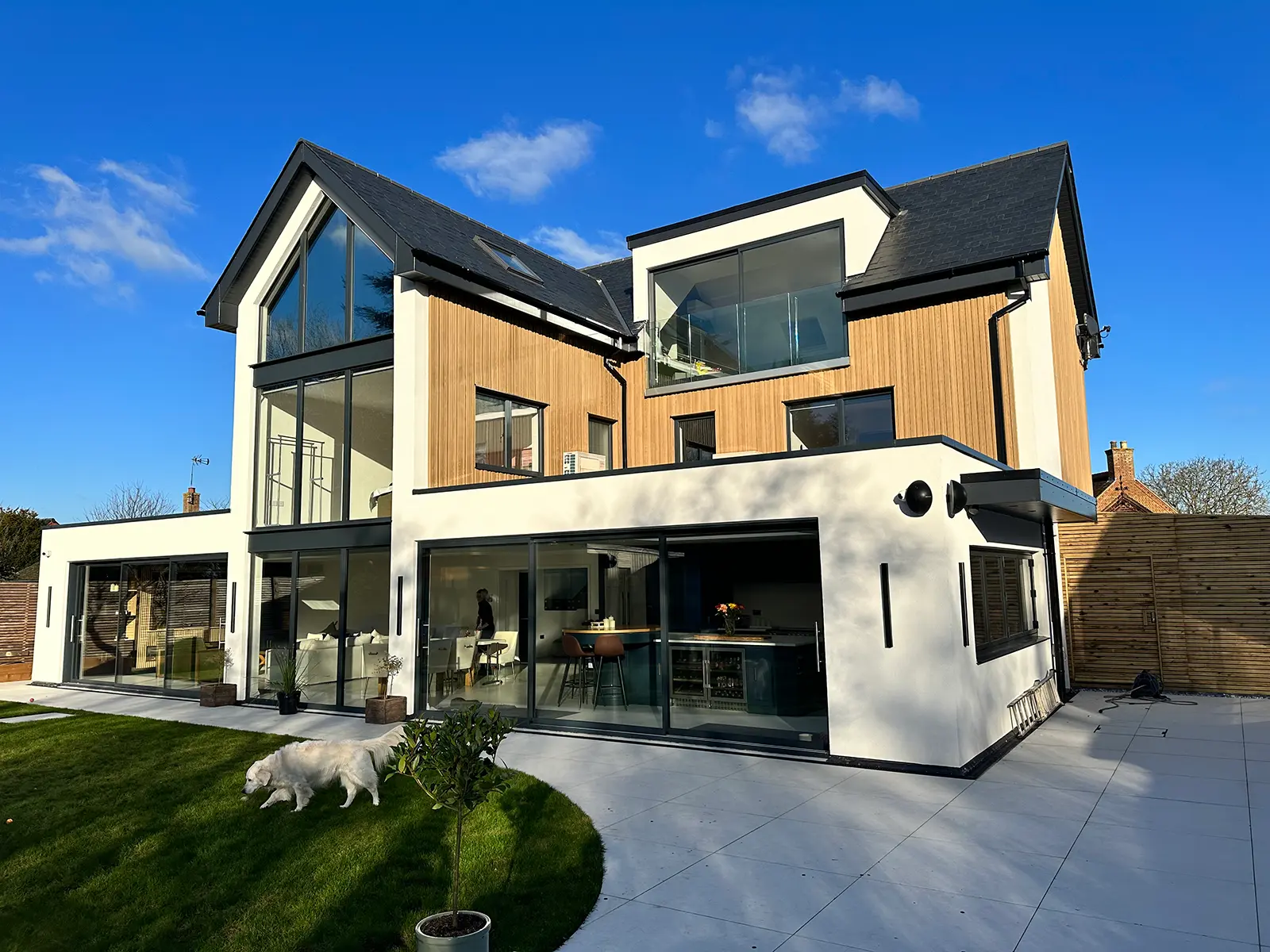
From the first cold snap of autumn to the brightest days of summer, windows and doors dictate how a home feels and performs. A well-built wall can have the insulation value of a sleeping bag; a single-glazed window, by comparison, is like a thin T-shirt. That mismatch is why double glazing is not a fad tied to a style trend but a cornerstone of energy-smart design. When I first started advising homeowners on upgrades, I used to focus on insulation and heating systems. After watching dozens of projects play out, I changed my tune. Replace old panes with proper double glazing and the daily comfort shifts immediately, often more than a new boiler or thicker loft insulation can deliver on its own.
What follows is a practical, experience-based look at how double glazing works, what to expect from different frame materials, how to weigh the numbers you see on labels, and where the hidden pitfalls lurk. Whether you favor aluminium windows and doors for crisp sightlines or upvc windows and doors for value and low maintenance, the fundamentals of performance are the same.
Why glass is often the weak link
Heat is slippery. It escapes in three main ways: conduction through solid materials, convection as air moves, and radiation from warm surfaces to cold ones. A single pane of glass lets all three have their way. In winter, indoor warmth heads straight for the cold exterior, and the glass surface can sit close to the outside temperature. That is why you feel a draft even with the window shut; it is not always air leaking, it is your body radiating heat to that cold pane. In summer, the opposite happens. Sunlight drives solar heat gain, and glass transmits that energy indoors. Double glazing introduces a controlled barrier on both fronts.
How double glazing actually works
At its simplest, a double-glazed unit is two panes of glass separated by a sealed gap. The gap is filled with dry air or an inert gas, typically argon. That space matters more than most people realize. Air is a poor conductor, and argon, denser than air, is poorer still. With the panes decoupled, conduction drops. The sealed cavity also limits convection, and low-e coatings on the glass reduce radiative heat transfer. If you could watch heat move across a section of wall with a thermal camera, you would see the temperature gradient flatten through a good double-glazed unit compared with single glazing.
Some details that make a measurable difference:
- Low-e coatings are microscopically thin metallic layers that sit on one pane’s inner surface. They reflect long-wave infrared heat back toward its source. Positioned correctly, they keep heat inside during winter and reduce heat gain during summer. Warm-edge spacers replace old aluminum spacers with composite materials that do not bridge heat as aggressively. They help raise the temperature at the glass edge and cut condensation risk along the perimeter. Argon fill is the standard upgrade, good for two to three points on the U-value scale. Krypton shows up in very thin triple units, but it costs more and makes sense only in specific designs. The cavity width matters. About 12 to 16 mm is a sweet spot for argon. Wider gaps sound better but can encourage convection cells within the cavity that blunt the benefit.
These are not esoteric tweaks. They are line items you can ask a supplier to document. Good double glazing suppliers will state the glass specification, cavity size, gas fill, spacer type, and the presence of a low-e coating.
Reading the numbers without getting lost
Every window and door comes with performance data. Labels vary by country, but the core metrics translate well.
U-value: Lower is better. It measures how much heat transfers per unit area per degree of temperature difference. Older single glazing might run 5.0 W/m²K or more. A competent double-glazed unit with low-e glass and argon can land between 1.2 and 1.6 W/m²K, depending on the frame. Triple glazing can reach 0.8 or better, but weight and cost jump.
Solar heat gain coefficient (SHGC): This expresses how much solar energy passes through. A higher SHGC helps in cold, sunny climates where you want winter sun to warm interiors. In hot or mixed climates, a moderate to low SHGC reduces air conditioning loads. Think of SHGC as a dial you tune by orientation. South-facing living rooms in Toronto benefit from moderate SHGC. West-facing bedrooms in Perth do not.
Visible transmittance (VT): It tells you how much daylight gets through. A high VT keeps rooms bright, but it often correlates with higher SHGC. Balance is key. Overshadowed rooms can tolerate a higher SHGC to gain passive warmth and light. Large, sun-exposed elevations should lean toward lower SHGC and still maintain reasonable VT with modern coatings.
Air leakage: Some labels show air infiltration under pressure. Smaller numbers indicate tighter assemblies. This is often where the quality of the frame and sealing separates mass-market from well-engineered systems.
Frame performance: Do not ignore the frame’s contribution to overall U-value. The glass can be excellent, but a poorly insulated frame drags down the whole assembly.
Frame materials in real homes
The glass gets the glory, but the frame shapes the result. The choice between aluminium windows and doors and upvc windows and doors lands on design goals, climate, budget, and tolerance for maintenance. Timber belongs in the conversation too, especially in period properties, but let us stay with the two most common modern options.
Aluminium: Architects love the slim sightlines and strength. Aluminum conducts heat readily, so older systems underperform unless you specify a thermal break. Modern aluminium frames use polyamide or similar materials to separate the inner and outer sections. With proper thermal breaks, multi-chamber profiles, and insulated trims, aluminium can come surprisingly close to the thermal performance of uPVC. It shines in large formats, like tall sliding doors or floor-to-ceiling windows, where rigidity and durability matter. If you live near the coast, marine-grade powder coating and stainless fixings are non-negotiable to deal with salt.
uPVC: Budget-friendly, low maintenance, and inherently better insulated because the material slows heat flow. Chambers within the profile further improve performance. The downsides are bulkier frames, which reduce glass area slightly, and limits on color stability in dark tones unless you choose better-quality foils or co-extruded finishes. In high UV environments, go with proven brands that specify UV stabilizers and reinforce wide spans properly to prevent thermal bowing.
With either choice, hardware and gaskets matter. Good locks pull sashes tight into their seals. Quality gaskets hold compression across seasons. On cold mornings you can feel the difference between a cheap hinge and one that lets the panel sit true and tight against the frame.
What double glazing changes day to day
Energy savings get the headlines, but comfort wins hearts. In my own projects, the first thing people mention after a replacement is the quiet. Two layers of glass, separated by a gas-filled cavity, cut outside noise dramatically, especially with thicker or laminated panes. If you live on a bus route or near a school, it is not subtle. Choose asymmetric glazing — say 4 mm glass outside and 6 mm inside — and you attenuate different frequencies more effectively than with identical panes.
Next is surface temperature. Sit by a window in January with single glazing and your back chills. Upgrade to double glazing and that interior pane sits closer to room temperature. That reduces radiant asymmetry and makes the entire space feel warmer with the thermostat set lower. Lower set points translate into energy savings that show up in real bills. In temperate climates, I typically see heating energy drop 10 to 20 percent after a whole-house upgrade, sometimes more where windows are a large portion of the envelope. Your mileage depends on how leaky the original windows were and how you operate the home.
Condensation is a third, often overlooked benefit. Water beads on cold interior glass when warm indoor air meets a surface below its dew point. That foggy band was a daily winter ritual in many older homes. With double glazing and warm-edge spacers, the interior glass stays warmer and that moisture problem often vanishes. If it does not, the culprit is usually indoor humidity running too high or hidden air leakage around the frame.
Energy efficiency is a whole system effort
Windows do not perform in isolation. A flawless double-glazed unit can underdeliver if the installation is sloppy or the surrounding wall acts like a chimney. Pay attention to these details.
Window-to-wall interface: The gap between the frame and the opening needs a continuous air and vapor control strategy. Expanding foam can fill, but it is not an air barrier by itself unless specified as such and supported by tapes or sealants designed for movement. Interior air sealing stops warm, moist air from reaching cold parts of the assembly. Exterior sealing sheds water while allowing controlled drying.
Orientation and shading: Choosing a low SHGC for a south-facing elevation may be a mistake in a cold climate, where winter sun is free heat. Conversely, high SHGC west windows can overwhelm a room in summer. External shading, such as modest overhangs or adjustable screens, works orders of magnitude better than internal blinds at blocking solar heat.
Ventilation and indoor humidity: High-performing windows reduce infiltration, which is good for energy but can trap moisture. If you find condensation lingering or air feeling stale, balance extraction in kitchens and baths and consider controlled ventilation. A heat-recovery ventilator pairs nicely with a tight envelope.
Glazing size: More glass increases daylight and view, but it also expands both potential heat loss on cold nights and solar gain on hot afternoons. Double glazing lowers the penalty, yet the laws of physics still apply. Expansive glass walls require careful selection of coatings, frame types, and shading strategies.
When triple glazing is worth it
I often get asked whether to jump straight to triple glazing. In very cold climates, especially with long heating seasons, triple makes sense. The lower U-values can cut nighttime radiant chill further and fend off condensation even at low indoor temperatures. In milder climates, the cost, weight, and thicker frames can outweigh the benefit. The balance tips towards triple for bedrooms that face busy streets, since the extra pane improves sound control. It also earns its keep on large north elevations that never see sun, where there is no solar gain to help offset heat loss.
Realistic payback and the numbers you can trust
The payback question is too often framed like a stock tip. There is no single answer. Here is a grounded way to think about it. Start with your annual energy spend. Estimate a 10 to 25 percent reduction depending on your climate, window-to-wall ratio, and the condition of your existing windows. If your home is particularly leaky or you are replacing rotten sashes that barely close, the savings push higher. If you are swapping already decent double glazing for better units, the marginal gain shrinks.
Now compare that annual savings to the installed cost. A whole-house upgrade can vary widely: from a modest figure for standard upvc windows and doors in common sizes to higher for bespoke aluminium windows and doors with lift-and-slide hardware. Energy is only part of the return. Comfort, noise reduction, reduced condensation, and resale value are the intangibles. Appraisers may not itemize them, yet buyers feel them instantly during a viewing.
The shopping shortlist
You do not need to become a fenestration engineer to make a sound choice. Focus on a clean set of criteria and push your shortlisted double glazing suppliers to document specifics. The goal is not to trip them up, but to weed out vague claims and ensure you get the performance you are paying for.
- Whole-window U-value, SHGC, and VT for each configuration, not just center-of-glass figures. Glass makeup: thicknesses, low-e coating type and surface, spacer type, and cavity size with gas fill. Frame details: thermal breaks for aluminium, chamber count and reinforcements for uPVC, gasket design, and hardware quality. Verified test standards and warranties that address seal failure, finish durability, and hardware. Installation scope: how the perimeter is sealed, trimmed, and integrated with weather barriers.
That single list of five items is enough to align quotes, apples to apples, and flag the red flags early.
Installer skill is half the battle
The best unit, installed poorly, is a fast track to drafts and callbacks. I have repaired too many new installations where small mistakes undermined the whole effort. Look for crews that pre-inspect openings, measure diagonals to confirm square, and shim hinges and locks so panels do not sag. They should use packers to support the frame, not compress foam to carry weight. They should seal in layers: backer rod and sealant where appropriate, compressible tapes at the exterior for weather, and a defined interior air seal. Ask to see a section drawing of their standard detail. The professionals will have one.
Managing condensation and indoor air after the upgrade
If you have lived for years with leaky sashes, your home has also been ventilating itself through gaps. Once new windows go in, moisture from cooking, showers, and even breathing can hang around longer. I advise clients to watch indoor humidity for the first winter. A small monitor costs little and gives you a feedback loop. Keep it around 40 to 50 percent in cold weather. If it rises and you see fog on the coldest mornings, adjust behaviors, check bath fans for real airflow, and consider a balanced ventilation system. The upside is control. You are now managing where air enters and exits, rather than leaving it to chance.
Design choices that make or break performance
Sightlines and color get most of the attention at the showroom. Apply the same scrutiny to three less glamorous choices that have outsized impact.
Glazing ratio within the frame: Some systems hide a surprising amount of frame behind the sash or trim, shrinking glass area. That hurts both daylight and solar gain strategies. Ask for visible glass dimensions and compare across options.
Operable versus fixed: Fixed units perform better and cost less. Use them wherever operability is unnecessary. In large openings, combine a generous fixed panel with a modest operable section to maximize performance and view.
Door configurations: Sliding doors provide big panes and good air seals when closed. Hinged French doors offer a full opening but can struggle with seals over time if used heavily. For wide spans, lift-and-slide mechanisms in aluminium frames are durable and seal tightly, though they cost more.
The aesthetics of performance
There is a misconception that energy-efficient windows all look the same: chunky frames, mirrored tints, and compromised daylight. That was true a decade or two ago. Today, low-e coatings can be tuned to keep VT high without a noticeable tint in many cases. Aluminium windows and doors can hit slender profiles with robust thermal breaks, giving you a contemporary look without taking a hit on comfort. uPVC profiles have evolved too, with cleaner lines and better finish options. If your home has heritage character, slimline double glazing in putty-line styles or aluminum-clad timber hybrids can respect proportions while boosting performance. The message here is simple. Do not let performance goals push you toward a look you dislike. The market has caught up, and you can have both.
Maintenance that preserves performance
Double glazing is not fit-and-forget, though it comes close. A few simple habits extend life and keep performance steady. Clean weep holes in sills so water drains freely. Wash frames and gaskets a couple of times a year with mild soapy water, not harsh solvents that embrittle seals. Operate and lubricate hardware annually, especially on heavy doors. Keep shrubbery from crowding exterior frames where constant moisture and poor airflow encourage mildew. If a unit ever fogs inside the cavity, that is a failed seal and a warranty issue, not something you can clean away. Catching early signs, like intermittent misting at the edges, can speed a straightforward replacement of the glass unit without removing the whole frame.
When retrofit glazing hits snags
Older homes bring surprises. Brick openings might be out of square by more than a centimeter, timber lintels can be soft, and interior finishes can conceal gaps that channel drafts. In these cases, the installation team needs latitude to adjust. That could mean a slightly smaller frame with thoughtful trim work, or it could mean shoring up a lintel before the window goes in. Budget a contingency for small carpentry fixes. It is better to solve the substrate issues once than to shoehorn a perfect window into an imperfect opening and mask problems with caulk.
A brief note on doors
Everything said about windows applies to doors, with a twist. Doors work harder. People slam them, lean on them, and drag grit across thresholds. For sliding doors, look closely at sill design. find more about window insulation Good systems manage water with sloped tracks and internal drainage, not just high lips that trip you. For hinged doors, multi-point locks make a real difference in pulling the slab tight into seals. With aluminium doors in large openings, a thermally broken threshold pays off every cold season by preventing that icy strip across your floor. With uPVC doors, ensure reinforcement around hinges and locks to prevent long-term sagging.
Budget strategies that do not cut results
If the quote total gives you sticker shock, there are ways to phase the work without undermining performance. Target the worst performers first: rooms where you feel drafts, glass that shows condensation daily, or orientations that cook in summer. Upgrade fixed units before operable where you can. Stretch finishes in low-impact areas while reserving premium profiles and coatings for the most exposed elevations. Keep the specification consistent enough that the final house does not become a patchwork, but do not let perfection stall sensible progress.
Where the market is going
Two trends are reshaping choices. First, better coatings are separating visible light from solar heat more precisely. That lets you keep rooms bright without paying a heat penalty. Second, frame systems are integrating deeper into wall assemblies, with installers using tapes and membranes that tie into air and vapor control layers. Your role as the client is to insist on documentation and details that reflect this reality. The best double glazing suppliers welcome those questions because they have the answers at hand.
The quiet transformation
Stand beside a well-made, well-installed double-glazed window on a winter night. The pane is clear, the interior surface close to room temperature, the street noise hushed. The radiator cycles less often. You walk barefoot past the sliding door and do not hesitate. That subtle, everyday ease is the real transformation. Energy efficiency shows Discover more here up on the bill, sure, but it also shows up in how you live. When you pick the right units, match them to your climate and orientation, and partner with a skilled installer, you shift the baseline of comfort and cut waste without fuss.
Windows and doors are not just holes filled with glass. They are complex assemblies that mediate the hardest parts of building physics. Get them right and the house works with you. Get them wrong and you are forever chasing drafts with the thermostat. If you weigh frame materials honestly, press your chosen supplier for specifics, and insist on careful installation, double glazing will earn its keep for decades, regardless of whether you favor aluminium windows and doors for their clean lines or upvc windows and doors for their dependable value.